
For rideshare professionals navigating the 2026 tax year, the choice between an Electric Vehicle (EV) and a traditional internal combustion engine (ICE) vehicle is no longer just about fuel prices. Under the One Big Beautiful Bill Act (OBBBA) and the newly adjusted 72.5 cents per mile IRS standard rate, your vehicle choice directly dictates your “Cash Retention Strategy.”
Our 2026 EV Gig Saver Calculator is designed to provide an objective comparison between the Standard Mileage Method and the Actual Expense Method, ensuring you keep the maximum amount of your hard-earned Uber, Lyft, or DoorDash income.
1. The 2026 “Mileage Gap” Opportunity for EV Drivers
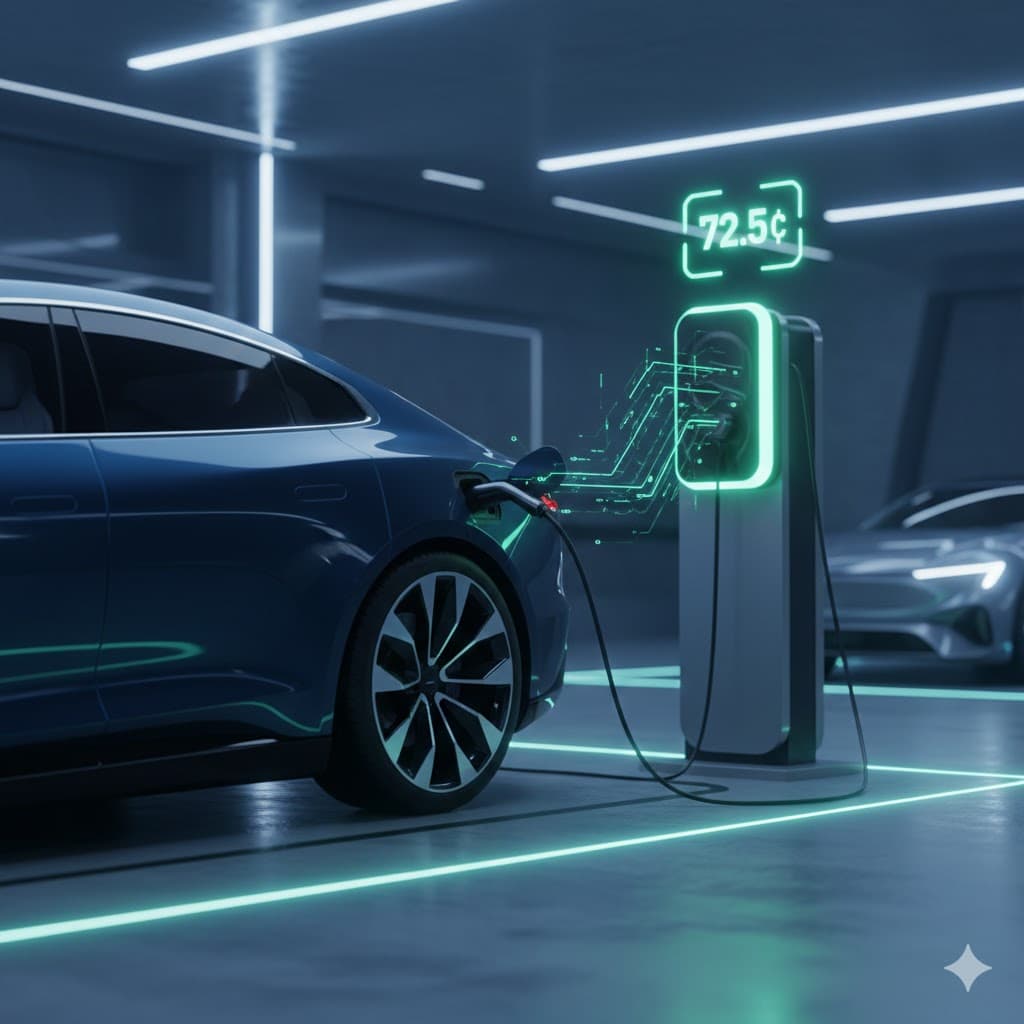
The IRS standard mileage rate is a national average that includes fuel, insurance, maintenance, and depreciation. For 2026, this rate has increased to 72.5¢ per mile.
- The Structural Advantage: Because EVs typically have lower per-mile “fuel” (charging) and maintenance costs compared to gas vehicles, the “gap” between your actual spend and the 72.5¢ deduction can be significant.
- The OBBBA Context: With higher standard deductions ($16,100 for singles), maximizing your business-level deductions on Schedule C is the most effective way to lower your Adjusted Gross Income (AGI).
2. Standard Mileage vs. Actual Expenses: Which Should You Choose?
The IRS allows you to choose one of two methods to deduct your vehicle costs. Our calculator helps you simulate both.
The Standard Mileage Method (The Simple Choice)
- How it works: You simply multiply your total business miles by 72.5 cents.
- Pros: Minimal record-keeping (just a mileage log) and generally yields a higher deduction for EV drivers due to lower operating costs.
- Important Rule: You must choose this method in the first year you use the vehicle for business to keep this option open for future years.
The Actual Expense Method (The Specialized Choice)
- How it works: You track every dollar spent on charging, repairs, insurance, lease payments, and depreciation.
- Pros: May be beneficial if you have unusually high repair costs or if you installed a dedicated Level 2 Home Charging Station, which may be eligible for specific OBBBA-related incentives.
- Cons: Requires meticulous receipt tracking and often results in a lower deduction for high-mileage EV drivers compared to the generous 72.5¢ standard rate.
3. Step-by-Step Instructions for 2026 Rideshare Success
To get the most accurate take-home pay projection, use the tool as follows:
- Projected Gross Income: Enter your total estimated earnings from all gig platforms for the year.
- Annual Business Miles: Be realistic. High-mileage drivers (20,000+ miles) usually see the greatest benefit from the standard mileage rate.
- Toggle the EV Saver: If you drive an EV, enter your estimated annual charging and maintenance costs to see if the “Actual Method” provides any hidden advantage.
- Review the Take-Home Pay: Our engine calculates your 15.3% Self-Employment tax after applying the most beneficial deduction method automatically.
Last Updated: February 2026
2026 Uber EV vs. Gas Tax Calculator
Maximize your 1099 take-home pay by comparing the 72.5¢ IRS Mileage Rate vs. Actual EV Expenses.
Essential Tax Resources for Drivers:
Maximize Your 2026 Rideshare Earnings
This tool is specifically designed for 1099 contractors working with Uber, Lyft, and DoorDash. For the 2026 tax year, the IRS Standard Mileage Rate is 72.5 cents per mile. Our calculator automatically compares this against your actual EV expenses to ensure you claim the highest legal deduction.
Is an EV worth it for Uber in 2026?
Yes. While public charging costs vary, the high mileage deduction (72.5¢/mile) combined with lower maintenance costs makes EVs highly profitable for full-time drivers.
How is Self-Employment tax calculated?
Self-employment tax is 15.3% of 92.35% of your net business profit. This calculator handles the math for you based on 2026 IRS regulations.
Disclaimer: This tool provides estimates for educational purposes only. Always consult with a tax professional or CPA for official IRS filings and advice.
4. Illustrative Example: The EV Profit Boost (For Illustration Only)
Consider a full-time Uber driver in 2026:
- Annual Miles: 30,000 miles
- Standard Deduction: 30,000 x 0.725 = $21,750
- Actual EV Costs: Charging ($1,200) + Maintenance/Insurance ($3,500) = $4,700
- The “Profit Gap”: In this case, the driver claims a $21,750 deduction while only spending $4,700 in cash. This **$17,050 difference** is legally untaxed income that stays in the driver’s pocket.
5. Driver-Specific Internal Resources
Deepen your tax knowledge with our specialized 2026 guides for rideshare professionals:
- Uber & Gas vs. EV Tax Strategy: A full breakdown of vehicle choice impact.
- Home Office Deduction for Drivers: Yes, you can claim a home office as a driver.
- Quarterly Estimated Tax Guide: Specifically tailored for the rideshare income flow.
🛡️ Professional Disclaimer
The 2026 EV Gig Saver Calculator and its associated content are provided for informational and educational purposes only. This tool generates estimates based on projected 2026 IRS rates and OBBBA frameworks. It does not constitute tax, legal, or financial advice. Because individual tax situations (such as depreciation recapture or specific lease terms) can be complex, always consult a qualified CPA or tax professional. Data Source: IRS Notice 2026-10 and Publication 463.